Where to Dump Large Appliances in SM5 Without Delay
If you have an old fridge, washing machine, cooker, or tumble dryer taking up half the hallway, you probably want one thing: a fast, safe way to get rid of it without the headache. That is exactly what this guide is about. Knowing where to dump large appliances in SM5 without delay matters because these items are bulky, heavy, awkward to move, and often subject to special disposal rules. Leave them sitting around too long and they become a nuisance. Try moving one down a narrow stairwell at 7 a.m. and you will understand why people start looking for a proper solution quickly.
This article walks you through the practical options, what to check before you move anything, how to avoid fines or fly-tipping problems, and when it makes more sense to use a professional clearance service. We will keep it grounded in real-world UK practice, with a local lens for SM5 and the surrounding Sutton area. Nothing fluffy. Just clear, useful guidance.
Table of Contents
- Why Where to Dump Large Appliances in SM5 Without Delay Matters
- How Where to Dump Large Appliances in SM5 Without Delay Works
- Key Benefits and Practical Advantages
- Who This Is For and When It Makes Sense
- Step-by-Step Guidance
- Expert Tips for Better Results
- Common Mistakes to Avoid
- Tools, Resources and Recommendations
- Law, Compliance, Standards, or Best Practice
- Options, Methods, or Comparison Table
- Case Study or Real-World Example
- Practical Checklist
- Conclusion
- Frequently Asked Questions
Why Where to Dump Large Appliances in SM5 Without Delay Matters
Large appliances are not like bagged household waste. A fridge, oven, dishwasher, or washing machine can't just be put out casually and forgotten about. They are heavy, awkward, and in some cases contain materials or components that need careful handling. That means the "just get rid of it" approach can go wrong quickly if you do not have a clear plan.
For many people in SM5, the urgency comes from a real-life situation: a replacement appliance has already been delivered, the old one is blocking a utility room, or a rental property needs to be turned around fast. In those moments, speed matters. But speed without a sensible disposal method can create new problems, especially if the item ends up left on the pavement, hidden in a communal bin area, or handed to someone who cannot legally or safely process it.
There is also the practical side. A large appliance is often too heavy for one person to move safely. Even if you can wheel it to the kerb, you still need to know who will take it, when they will collect it, and whether they will deal with recycling responsibly. That is where planning saves time. A few minutes of checking can prevent days of faff later. And honestly, that is time well spent.
Expert takeaway: The fastest solution is not always the quickest pickup. In appliance disposal, the best result is usually the one that combines speed, safe lifting, proper recycling, and a clear chain of responsibility.
How Where to Dump Large Appliances in SM5 Without Delay Works
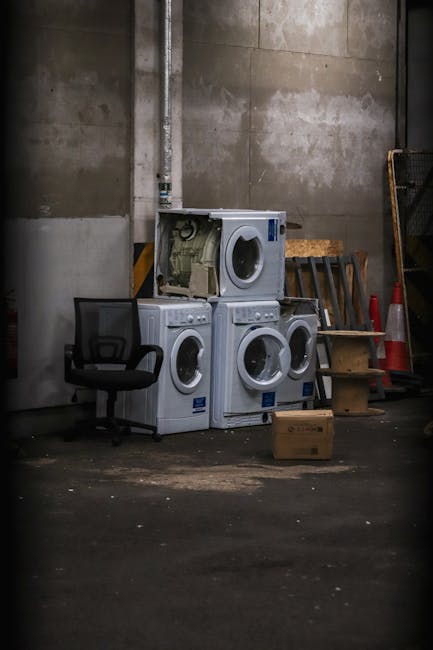
There are usually several routes for appliance disposal in and around SM5, and the right one depends on the item, the condition it is in, and how quickly you need it gone. The most common options are council-style collection services, local reuse routes where an item is still working, and private clearance or man-and-van removal services that handle bulky waste quickly.
In simple terms, the process usually works like this:
- You identify the appliance and check whether it is safe and legal to move.
- You decide whether it can be reused, recycled, or must be treated as waste.
- You arrange collection or drop-off using a suitable route.
- You make sure the item is disconnected and prepared properly.
- You keep a record of what was collected, especially if you are disposing of business equipment or multiple units.
That may sound straightforward, and sometimes it is. A single washing machine from a ground-floor flat is a very different job from three commercial fridges in an office kitchen. One can be handled in an hour. The other may need coordination, insurance, and a bit of muscle. Not glamorous, but very real.
For anyone in a hurry, the key is to avoid the dead ends. Some drop-off facilities have limited acceptance rules for large appliances, some collection slots fill up fast, and some items need extra handling because of refrigerants, wiring, or residual liquids. That is why "dumping" large appliances is really about choosing the right disposal path, not just finding somewhere to leave them.
Key Benefits and Practical Advantages
Getting rid of bulky appliances properly has a few very real advantages, and the obvious one is space. A cleared kitchen or utility area feels different immediately. You can move, clean, decorate, or install the replacement appliance without working around a dead machine the size of a small wardrobe.
There is also a safety benefit. Old appliances can have sharp edges, unstable doors, water residue, or damaged cables. If you are keeping one "just for now", that often becomes two weeks, then a month, and suddenly it is a trip hazard in the hallway. No one wants that.
Other practical benefits include:
- Less stress: one clear plan beats multiple uncertain calls and delayed collections.
- Better recycling outcomes: appliances often contain metal, wiring, plastics, and components that can be recovered.
- Cleaner handovers: landlords, tenants, homeowners, and businesses can all move on faster.
- Reduced risk of fly-tipping: a lawful route protects you from the mess that often follows careless disposal.
- Improved presentation: useful when selling a property, vacating a unit, or refreshing a workspace.
And let's be fair, it is also a relief to stop looking at a bulky appliance every time you walk past it. The room feels lighter. Less cluttered. Less like a holding area for things you meant to sort out last month.
Who This Is For and When It Makes Sense
This topic is relevant to a surprisingly wide group of people in SM5. If you live in a flat, manage a rental property, run a small business, or are simply replacing a broken appliance, you may need a fast removal option sooner than expected.
Typical situations include:
- Households replacing a fridge freezer, cooker, or washing machine
- Landlords clearing appliances between tenancies
- Tenants moving out and needing to leave the property empty and tidy
- Small offices or staff kitchens upgrading old white goods
- Homeowners renovating kitchens or utility rooms
- Families dealing with a broken appliance that cannot safely stay in place
Sometimes the item still works and could be reused. In other cases, it is simply beyond repair. A dented washing machine that leaks from the back panel is not a candidate for "maybe next year". That one needs moving on.
If you are unsure which route fits your situation, it is often sensible to check a service provider's pricing and quotes page first, then compare that with the time and effort involved in doing it yourself. A cheap option is not always the best value if you need the appliance gone today.
Step-by-Step Guidance
If you want the fastest route without cutting corners, use this practical sequence. It keeps the process tidy and reduces the chance of a last-minute snag.
1. Identify the appliance and its condition
Note what it is, how heavy it likely is, whether it is freestanding or integrated, and whether it is still working. A working appliance may be suitable for reuse or resale. A broken one usually needs recycling or disposal as waste.
2. Check for safety issues first
Make sure the appliance is disconnected properly. For fridges and freezers, allow time for defrosting so water does not leak across the floor. For cookers, confirm gas or electric connections are dealt with by the right person. If you are not confident, do not guess. That is one of those small mistakes that becomes a big one very quickly.
3. Decide whether you need immediate collection
If the appliance is blocking access, creating a smell, or delaying a property handover, you probably need a same-day or next-day solution. If time is tight, a private clearance team is usually more practical than waiting for a slot that may not suit your schedule.
4. Compare disposal routes
Look at the most suitable route for your situation. That may mean a local collection, a recycling route, or a professional clearance service. If you are dealing with multiple items, the value of a single visit rises very quickly.
5. Prepare the item for removal
Clear the area around the appliance, empty drawers or shelves, secure loose doors, and protect floors if the item is being moved through the home. If you have a narrow staircase or tight front path, measure before the day. You would be surprised how often this step gets skipped, then everyone stands there in silence staring at the fridge.
6. Keep proof of proper disposal where needed
If you are a landlord, business owner, or managing a clearance for someone else, keep basic records of the removal. That helps with accountability and avoids confusion later.
For business or larger-scale clearances, it can also help to review the company's health and safety policy and insurance and safety information before booking. That is not red tape for the sake of it; it is a sensible way to reduce risk.
Expert Tips for Better Results
Here is where the small details make a big difference. Most appliance disposal delays are caused by avoidable issues, not the appliance itself. A little preparation goes a long way.
- Measure access points before collection day. Door widths, hall bends, stair turns, and tight garden gates can all matter.
- Defrost fridges and freezers early. If you leave this until the last minute, you create a wet, slippery mess.
- Remove loose parts. Shelves, trays, and cords can shift during moving.
- Group items together. If you have more than one appliance, having them ready in one place often speeds things up.
- Check whether the appliance is integrated. Built-in items take more time to remove than freestanding ones.
- Ask about recycling routes. Responsible disposal is better than simply dumping waste into the system and hoping for the best.
A small practical tip from everyday experience: keep the path clear from the appliance to the exit. Shoes, bags, recycling boxes, pet bowls, all of it. People rarely remember the hallway clutter until someone is carrying a heavy fridge through it.
If you want a provider that takes sustainability seriously, it is worth reviewing their recycling and sustainability approach. It gives you a better idea of how they handle items after collection, not just how fast they can get them off your premises.
Common Mistakes to Avoid
Appliance disposal goes wrong in very ordinary ways. The good news is that most of them are easy to avoid once you know what to look for.
- Leaving collection too late: especially when a property deadline or installation date is already fixed.
- Not checking whether the item is still connected: this is obvious, but people do it all the time.
- Forcing a heavy appliance down stairs alone: back injuries are not worth saving half an hour.
- Assuming anything bulky can be dumped anywhere: it cannot.
- Mixing reusable items with damaged waste: this can limit what can be recovered.
- Ignoring access issues: a service can be fast and still be delayed if the route out is blocked.
One easy-to-miss mistake is forgetting about water and residue. Washing machines, dishwashers, and fridge freezers can leak after being moved. If there is even a little pool at the base, it can affect floors, lifts, and stairs. Not dramatic, just annoying. But that annoyance sticks around.
Tools, Resources and Recommendations
You do not need specialist equipment for every job, but a few simple tools can make appliance removal much safer and smoother.
| Tool or Resource | Why It Helps | Best For |
|---|---|---|
| Measuring tape | Checks doorways, stairwells, and access routes | Any appliance move |
| Gloves with grip | Improves handling and reduces slips | Metal-bodied appliances, rough edges |
| Protective floor covering | Helps guard against scratches and drips | Fridges, washing machines, dishwashers |
| Appliance dolly or sack truck | Makes moving heavy items easier | Ground-floor or short-distance transport |
| Photo record | Useful for landlords, businesses, and handovers | Multi-item clearances |
| Professional clearance service | Removes the need for lifting, transport, and disposal decisions | Urgent or awkward jobs |
If you are comparing providers, look for clear communication, simple scheduling, and transparent next steps. A straightforward contact option matters more than a flashy promise. In this sort of job, clarity wins.
It is also sensible to understand the payment process before the day of collection. A quick review of payment and security details can remove last-minute uncertainty, especially if the removal is arranged under time pressure.
Law, Compliance, Standards, or Best Practice
While this article is not legal advice, there are some widely accepted UK best practices worth following when disposing of large appliances in SM5. The big principle is simple: do not leave waste for someone else to deal with unless they are clearly authorised to take it on.
For households, that usually means making sure the item goes through a lawful disposal route rather than being abandoned, placed beside a bin area, or handed to an unverified collector. For landlords and businesses, the standard is higher still. You want a disposal route that is traceable, safe, and appropriate for the type of waste involved.
Large appliances may contain components that need special handling, particularly fridges and freezers. Because of that, best practice is to use a route that understands appliance breakdown, safe handling, and recycling expectations rather than a vague "we'll take it away" approach. If someone cannot explain what happens next, that is a small red flag.
It is also worth checking that the collection provider works with decent safety procedures and a clear complaints process. Not because you expect trouble, but because trustworthy businesses usually make their standards visible. If a company has clear support information, including an about us page, complaints procedure, and policy pages such as terms and conditions and privacy policy, that tells you they take the customer side seriously.
For some readers, access and inclusion also matter. If you or someone in your household needs the website information presented in a more accessible way, it is helpful when businesses publish an accessibility statement. Small detail, but useful.
Options, Methods, or Comparison Table
If your main question is speed, the best choice depends on whether you are dealing with one item or several, and whether the appliance is working, broken, or simply too awkward to move yourself. Here is a practical comparison.
| Method | Speed | Best For | Main Trade-Off |
|---|---|---|---|
| Council or scheduled bulky collection | Medium | Single items, planned removals | May involve waiting for an available slot |
| Private appliance removal | Fast | Urgent jobs, awkward access, multiple items | Usually costs more than waiting for a standard slot |
| Reuse or resale route | Variable | Working appliances in good condition | Not always suitable if you need it gone immediately |
| Self-transport to a facility | Fast if you already have a vehicle | Smaller households with suitable transport | Heavy lifting, loading risk, and time spent doing the work yourself |
If you are in a rush, private collection tends to be the least stressful option. If you are not in a rush and the appliance is in decent condition, reuse or scheduled disposal may be fine. Truth be told, the "best" method is the one that fits your deadline, your access, and your tolerance for lifting a washing machine through a hallway with a door that swings the wrong way.
Case Study or Real-World Example
Here is a typical SM5-style scenario. A household in a terraced property is replacing a broken fridge freezer after it started tripping the kitchen socket. The replacement arrives on a Thursday morning. The old unit has to be out before the new one is fully installed because the kitchen is narrow and there is no room to keep both side by side.
The family could have left it outside and hoped for the best. Instead, they cleared the route the night before, defrosted the freezer section early, and arranged a same-day removal. The job took less time because the appliance was ready to go when the team arrived. There was no standing around in the rain, no surprise water leak, and no frantic shifting of recycling bins at the last minute.
That is the pattern you see again and again. The fastest disposal jobs are usually the ones that were prepared properly. A simple plan, a clear path, and the right collection choice. Nothing fancy. Just sensible.
And yes, it is usually more peaceful once the old appliance is gone. You hear the door close, the kitchen feels bigger, and suddenly the whole room stops feeling stuck.
Practical Checklist
Use this checklist before booking or moving a large appliance in SM5.
- Confirm the appliance type and condition
- Check whether it still works or could be reused
- Disconnect power, water, or gas safely
- Defrost fridges and freezers in advance
- Measure doorways, stairs, and exits
- Clear the path from the appliance to the exit
- Decide whether you need same-day or next-day removal
- Choose a lawful disposal route
- Review pricing, payment, and collection details
- Keep any handover or disposal records you may need later
If you can tick off most of those points, you are already ahead of the game.
Conclusion
Finding where to dump large appliances in SM5 without delay is really about making a smart, quick decision under practical constraints. The right route depends on the item, the access, your deadline, and whether you want the appliance reused, recycled, or simply removed as soon as possible. A bit of preparation keeps the job safe and stops a simple task from turning into a messy afternoon.
For many readers, the best next step is to compare a fast collection option against the effort of trying to move and dispose of the item yourself. If you have multiple appliances, awkward access, or a tight handover window, a professional removal service can save a lot of time and a fair bit of stress too. And that counts for something.
Get a free quote today and see how much you can save.
When the old appliance is finally gone, the room feels calmer. Cleaner. Ready for what comes next.
Frequently Asked Questions
Where is the fastest place to get rid of a large appliance in SM5?
The fastest option is usually a private appliance removal or clearance service that can collect quickly and handle the lifting for you. If your main priority is speed, that tends to be more practical than waiting for a standard collection slot.
Can I just leave a fridge or washing machine on the pavement?
No, not unless it is part of an agreed lawful collection. Leaving a bulky appliance out without proper arrangement can create a fly-tipping issue and may lead to trouble for the person who put it there.
What appliances count as large appliances?
Typically this includes fridge freezers, washing machines, tumble dryers, dishwashers, cookers, and similar bulky white goods. Some built-in items may also need special handling because of how they are installed.
Do I need to defrost a freezer before removal?
Yes, ideally. Defrosting reduces leaks, prevents mess, and makes the removal safer. If you leave it until collection day, you may end up dealing with dripping water at exactly the wrong moment.
Can large appliances be recycled?
Often, yes. Many appliances contain metal, wiring, plastics, and other materials that can be recovered. The exact route depends on the appliance type and whether it is still in usable condition.
What should I do before the collection team arrives?
Disconnect the appliance safely, clear the route, remove loose items, and make sure access is unobstructed. If you have stairs, tight corners, or narrow doors, it helps to measure them in advance.
Is it cheaper to dispose of appliances myself?
Sometimes, but not always. If you already have suitable transport and the item is easy to move, self-disposal may cost less. Once you factor in time, lifting risk, fuel, and inconvenience, the difference can shrink quickly.
What if my appliance still works?
If it is in good condition, reuse or resale may be worth considering. That said, if you need it gone immediately, a removal service may still be the quickest answer. Speed and reuse do not always line up neatly.
Do landlords and businesses need extra records?
Yes, they often do. It is sensible to keep a record of what was removed, when it was collected, and who took it. That helps with accountability and avoids confusion later on.
How do I choose a trustworthy appliance removal provider?
Look for clear pricing, straightforward contact details, visible policy pages, and sensible explanations of how disposal and recycling are handled. Trustworthy providers tend to be transparent rather than vague.
What if the appliance is built in and hard to remove?
Built-in appliances can take longer because they may need careful disconnection and extraction. If access is tight, it is usually better to ask for a professional removal rather than risking damage to cabinets, flooring, or walls.
Is same-day collection possible in SM5?
It can be, depending on availability and the size of the job. Same-day collection is more likely when the item is ready to move, access is straightforward, and the provider has capacity that day.