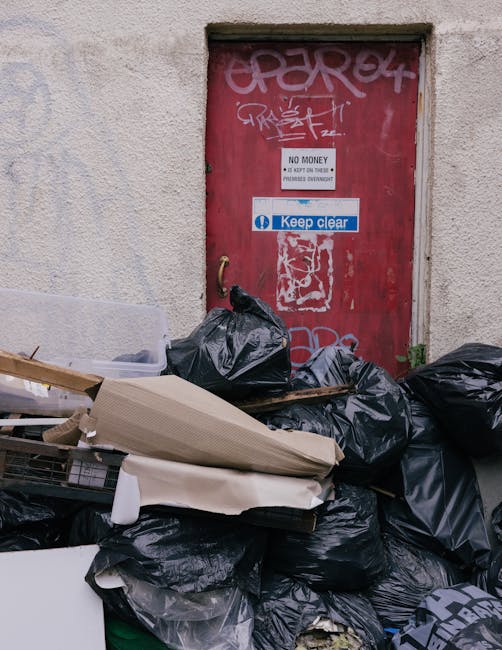
Dealing with Hoarder Waste in Carshalton Flats

If you are dealing with hoarder waste in Carshalton flats, you already know this is rarely just a matter of "taking a few bags out." It can be cramped hallways, heavy furniture, hidden rubbish, awkward stairs, and a lot of emotion all tangled together. Truth be told, the job can feel bigger than the room it sits in.
This guide walks through the practical side of clearing a hoarded flat in Carshalton: what the work involves, why it matters, how to plan it safely, and when to bring in help. You will also find a checklist, a comparison table, and a few real-world pointers that make the process a bit less overwhelming. One step at a time. That really is the way.
Why Dealing with Hoarder Waste in Carshalton Flats Matters
Hoarding situations can affect almost every part of flat living. In a house, there is often more room to work around the mess. In a flat, everything is tighter: stairs, shared corridors, neighbours below and above, limited parking, and no easy place to stage unwanted items. That changes the whole job.
There is also the human side. Hoarding is often connected with grief, anxiety, trauma, isolation, or long-term difficulty with decision-making. So when you are sorting waste from a hoarded flat, the aim is not to rush in like a whirlwind and strip everything out. The aim is to clear safely, respectfully, and with enough structure that the person affected does not feel steamrolled.
In practical terms, hoarder waste can create risks such as blocked exits, trip hazards, hidden mould, pest activity, and damage to flooring or walls. It may also affect the property's habitability and make it harder to let, sell, insure, or maintain. For leaseholders and landlords, delays can become expensive. For families, the emotional strain can be very real. You can hear it in people's voices when they ring up: worry, embarrassment, and a bit of exhaustion too.
That is why clear planning matters. A careful flat clearance is not just about lifting rubbish. It is about restoring usable space while protecting the person, the building, and everyone involved.
Expert summary: The safest way to tackle hoarder waste in a Carshalton flat is to assess first, sort gradually, protect shared areas, and remove items in managed phases rather than all at once.
How Dealing with Hoarder Waste in Carshalton Flats Works
Every job is different, but the basic pattern is fairly consistent. First comes assessment. Then comes sorting. Then removal. Then a final clean-down or follow-up pass if needed. In a flat, that sequence matters because access is usually limited and neighbours need to be considered.
The first conversation usually focuses on what is in the property, how much needs to go, whether there are any hazards, and how the building is laid out. A top-floor maisonette with narrow stairs is not the same as a ground-floor flat with direct outside access. Obvious, perhaps, but in the real world that difference changes the amount of labour, time, and equipment required.
For hoarded properties, it is often best to work room by room or zone by zone. That way, you can preserve important documents, photos, medication, sentimental items, or anything the resident wants to keep. It also stops the job from becoming one giant blur of bags, boxes, and uncertainty. Small wins matter here. They keep momentum going.
Depending on the condition of the flat, the work may involve:
- bagging and removing general household waste
- sorting furniture, soft furnishings, and broken items
- separating recyclables from mixed waste where possible
- moving items through tight communal areas carefully
- protecting walls, lifts, and stairwells from damage
- handling heavier items with suitable lifting methods
- spotting items that need special care, such as sharps or contaminated waste
For many residents, using a service like flat clearance is the most practical route because it is built around awkward access, neighbours, and the realities of apartment living. If the property also includes old furniture or bulky pieces, furniture clearance or furniture disposal can help with the heavier end of the job.
Key Benefits and Practical Advantages
The benefits of a proper hoarder waste clearance go far beyond having a tidy room. Let's face it, a clean space is nice, but the real value is in what that clean space allows people to do again.
- Safer movement through the flat: fewer trip hazards, clearer exits, less risk of injury.
- Less stress for everyone: a structured plan helps reduce panic and decision fatigue.
- Better relationship with neighbours and building managers: reduced disruption in shared areas.
- More effective sorting: valuables and important documents are easier to find when the process is organised.
- Easier cleaning and maintenance: once waste is removed, the flat can be aired, cleaned, and repaired.
- Improved options for the future: sale, letting, probate work, tenancy handover, or simply making the flat liveable again.
There is also a quieter benefit that people sometimes underestimate: relief. Not magic relief. Not instant. But enough to make the next decision feel less impossible. That matters.
In some cases, dealing with the flat may also involve adjoining storage areas, boxes in a loft, or overflow items from a garage. If that sounds familiar, it can be sensible to look at related services such as loft clearance or garage clearance where those spaces are part of the broader problem.
Who This Is For and When It Makes Sense
This kind of clearance is relevant for a surprisingly wide range of people. It is not only for landlords or professional agents. Often, it is families, carers, executors, housing officers, or residents themselves who realise the flat has reached a point where normal decluttering just will not cut it.
You might need help if:
- the flat has become hard to walk through safely
- there are fire or access concerns in a block of flats
- a tenant has left behind excessive waste or belongings
- a family member needs support and cannot manage the task alone
- you are preparing a property for reoccupation, sale, or repair
- the situation has moved beyond routine cleaning and into bulk waste removal
This also makes sense when time is tight. Probate work, tenancy turnovers, building repairs, and neighbour complaints tend not to wait politely in the hallway. They stack up fast. If you are juggling multiple issues, a broader home clearance or even a full house clearance approach may be more appropriate than trying to solve everything in one small push.
And if the situation is partly business-related, such as a mixed-use property or a small office space attached to residential use, a route through business waste removal or office clearance may be worth considering. Different spaces, different needs.
Step-by-Step Guidance
The most reliable way to deal with hoarder waste in a flat is to break the work into clear, realistic stages. No heroic one-day sprint. Those rarely end well, especially in upstairs flats with a narrow landing and a lift that is, annoyingly, just a bit too small.
- Assess the space. Identify hazards, access points, room layout, and anything that needs special care. Check for blocked exits, damp, sharp objects, or signs of pests.
- Decide what must be kept. Separate medication, paperwork, keys, financial records, sentimental items, and anything the resident explicitly wants to retain.
- Plan the sorting zones. Use one room, one corner, or one category at a time. This keeps the process manageable.
- Prepare waste streams. Work out what can be recycled, what is general rubbish, what is bulky furniture, and what may need special handling.
- Protect the communal areas. Use care in stairwells, entrance halls, and shared walkways. A good clearance should not create a new problem for the building.
- Remove in stages. Avoid overloading the route. Smaller, steady loads are usually safer and less disruptive.
- Do a final sweep. Check cupboards, behind doors, under beds, and in forgotten corners. Those hiding spots matter more than people think.
- Clean, ventilate, and review. Once waste is gone, let the space breathe. Then decide what repair, deep cleaning, or follow-up support is needed.
If you are arranging a service, ask early how the work will be handled, whether lifting and loading are included, and how recyclable materials are separated. If the property contains mixed waste, waste removal is the broadest term, but the best solution often depends on what is actually there on the day. That sounds obvious, but it is where a lot of jobs get messy.
Expert Tips for Better Results
A few practical habits make a huge difference. Not glamorous, but effective.
- Start with the easiest wins. Visible progress builds confidence. Empty bags, broken boxes, and clear walkways are good first targets.
- Use labelled bags or boxes. Keep "keep," "donate if suitable," "recycle," and "waste" separate where possible.
- Take short breaks. Decision fatigue is real. A ten-minute pause can prevent a bad call on an important item.
- Photograph key areas before moving items. This helps if there are disputes about what was present or where something belonged.
- Watch the stairs. In Carshalton flats, access can be tighter than expected. If you have ever tried turning a bulky wardrobe on a landing, you know the feeling.
- Keep neighbours in mind. A polite heads-up about noise or access often avoids tension later.
- Separate sentimental items early. Mixed waste piles can swallow photographs, letters, and old keepsakes before anyone notices.
One slightly unglamorous but important tip: if you can smell damp, urine, or strong stale odours, do not assume the issue is only surface-level. Odour usually means there is more going on in the fabric of the room or behind items. That does not mean panic. It does mean slow down and assess properly.
If you want to understand how a provider approaches care, safety, and responsible handling, it is sensible to review their published information on health and safety policy, insurance and safety, and recycling and sustainability. Those pages are useful signals that the work is being handled with some thought, not just brute force.
Common Mistakes to Avoid
Hoarder clearances often go wrong for predictable reasons. The good news is that most of them are avoidable.
- Trying to do everything in one day. It sounds efficient. Usually it is not.
- Throwing away too quickly. Important documents and sentimental items are often hidden in ordinary-looking piles.
- Ignoring access issues. Narrow stairs, shared halls, and parking restrictions can derail a clearance if they are not planned for.
- Forgetting the emotional side. If the resident feels judged, the process can stall. Respect keeps things moving.
- Leaving mixed waste in communal spaces. That is bad for neighbours and can create complaints fast.
- Skipping hazard checks. Sharps, mould, contaminated materials, and pests need careful handling.
- Choosing the cheapest option without checking what is included. A lower headline price can turn expensive if loading, access, or disposal is not properly covered.
There is one more mistake worth mentioning: assuming a hoarded flat is just "messy." It is usually more complex than that. The difference matters, because the solution should match the scale of the problem.
Tools, Resources and Recommendations
You do not need a warehouse of specialist equipment, but the right basics make the work safer and smoother. Gloves, sturdy sacks, dust masks where needed, cleaning cloths, labels, tape, and a trolley or sack truck can make a world of difference. A decent torch is also surprisingly useful. Dark corners hide a lot.
For larger clearances, especially in flats, it helps to think beyond tools and focus on support. A provider with the right vehicles, loading equipment, and disposal routes will save you time and reduce strain. This is particularly important if the property contains a mix of bulky items, broken furniture, and general waste.
Depending on what you are dealing with, these related services may be useful:
- Furniture clearance for sofas, tables, wardrobes, and other bulky items
- Furniture disposal if items are no longer reusable
- Builders waste clearance if there are repair or renovation leftovers in the flat
- Home clearance where the issue extends beyond one room or one flat
On the trust side, useful things to look for include clear pricing guidance, transparent payment information, and clear complaints handling. Those may not sound exciting, but they matter when a job is already stressful. You can review pricing and quotes, payment and security, and complaints procedure for a better sense of how the process is managed.
Law, Compliance, Standards, or Best Practice
When hoarder waste is being cleared from a flat, compliance is not just a box-ticking exercise. It affects safety, access, disposal, and the wider duty of care around waste handling. In the UK, waste should be transported and managed responsibly, and anyone handling it should take care not to create hazards for residents, neighbours, or workers.
For flat clearances, best practice usually includes:
- keeping fire exits and communal routes clear
- handling sharp or contaminated items separately
- avoiding damage to common areas
- sorting reusable and recyclable items where feasible
- using suitable lifting methods for heavy or awkward loads
- disposing of waste through appropriate channels rather than fly-tipping or improper dumping
If the property contains electrical items, upholstery, or other regulated waste streams, they should be treated carefully and in line with accepted disposal practice. You do not need to know every technical detail as the property owner or family member, but you do need to work with people who do. That is the fair expectation.
There is also an important privacy and dignity angle. In hoarding situations, discretion is part of good practice. Keeping the process calm, contained, and respectful can prevent distress and reduce the risk of conflict. A competent service should treat the matter as confidential and professional, not as gossip fodder. Frankly, that should go without saying.
Options, Methods, or Comparison Table
There is more than one way to deal with hoarder waste in a Carshalton flat. The right method depends on the scale of the mess, the access, the urgency, and how involved the resident wants to be.
| Method | Best for | Pros | Limitations |
|---|---|---|---|
| Self-clearance | Small, low-risk jobs | Low immediate cost, full control | Time-consuming, emotionally hard, safety risks in cluttered flats |
| Family-assisted clearance | Moderate cases with support | Good emotional support, more hands available | Can be slow and difficult if decisions are disputed |
| Professional flat clearance | Large or hazardous jobs | Efficient, safer handling, less disruption in shared spaces | Requires planning and a clear scope |
| Partial or phased clearance | Complex hoarding situations | Gentler approach, easier decision-making | Takes longer overall, needs follow-up |
In practice, many people end up using a phased professional clearance rather than a single all-or-nothing job. That tends to be the sweet spot: enough structure to make progress, enough flexibility to respect the situation. It is not flashy. It just works.
Case Study or Real-World Example
A typical example might look like this: a two-bedroom flat in a Victorian conversion, upstairs, with narrow stairs and a busy shared entrance. The resident has lived there for years, and over time the spare room, hallway, and part of the lounge have filled with bags, old furniture, paper, and mixed household items. The front room is still technically usable, but only just.
The first visit focuses on identifying hazards and separating items that clearly need to stay: paperwork, medication, a couple of framed photographs, and a box of letters. The second stage clears the hallway and one room so that access becomes easier. Only then does the team tackle the rest in manageable sections. This is slower than simply emptying the flat in one sweep, but it avoids accidental losses and keeps stress lower for the resident.
By the end, the flat is not necessarily perfect. That is another honest point. Sometimes the immediate goal is not "finished and beautiful." It is "safe, usable, and ready for the next stage." Maybe the property then needs a deep clean, maybe some minor repairs, maybe a quieter conversation about ongoing support. But the worst of it is gone, and that changes everything.
That sort of progress is often enough to get everyone breathing a little easier, which, on a damp Wednesday morning with bags lining the pavement, feels pretty significant.
Practical Checklist
Use this checklist before and during the clearance. It keeps the job grounded.
- Confirm who has authority to approve the clearance
- Identify any items that must be kept
- Check access, parking, lifts, and stair routes
- Look for hazards such as sharp items, mould, or pests
- Protect communal areas and shared surfaces
- Decide whether the work needs to happen in stages
- Separate recyclable, reusable, and general waste where possible
- Arrange disposal for bulky furniture and broken items
- Keep important documents and valuables in a safe place
- Plan a final sweep and ventilation once waste is removed
- Review whether follow-up cleaning or repairs are needed
- Confirm payment, quote details, and any special instructions in advance
Quick practical note: if the flat feels overwhelming before you even start, that is normal. Most people underestimate how much mental energy is tied up in the first decision. Once that decision is made, the rest becomes more manageable.
Get a free quote today and see how much you can save.
Conclusion
Dealing with hoarder waste in Carshalton flats is never just a clearance job. It is part logistics, part care, part patience, and part good judgement. The best outcomes usually come from a calm plan: assess the space, protect what matters, remove waste in sensible stages, and keep everyone involved informed.
Whether you are helping a relative, managing a tenancy, or sorting out a property after a difficult period, the key is not perfection. It is progress with dignity. One room clearer. One safe pathway restored. One less thing hanging over the week. That is real progress.
If you are ready to move from uncertainty to action, start with a focused plan and a provider who understands flat access, safety, and discretion. Small steps add up, and sometimes that is exactly what a hard situation needs.
Frequently Asked Questions
What is the best way to start dealing with hoarder waste in a flat?
Start by assessing hazards and separating the items that must be kept, such as documents, medication, and sentimental belongings. Then work room by room rather than trying to clear the whole flat at once. That keeps the job safer and less emotionally draining.
Can hoarder waste be cleared from upper-floor flats safely?
Yes, but access planning matters a lot. Narrow stairs, shared entrances, and limited parking can make the job harder. Safe lifting, careful bagging, and staged removal usually work better than rushing large loads through the building.
How long does a hoarded flat clearance usually take?
It depends on the size of the flat, the amount of waste, and how much sorting is needed. A small flat with light clutter may be quicker, while a heavily hoarded property can take multiple stages. It is better to allow enough time than to plan an unrealistic one-day turnaround.
Do I need to sort everything before the clearance starts?
No, but some sorting helps. At minimum, identify valuables, important paperwork, and anything the resident wants to keep. A good clearance team can help with the rest, but decisions about sentimental items are usually best made before removal begins.
What should be done with furniture in a hoarded flat?
Furniture should be assessed item by item. Some pieces may be reusable, some may need disposal, and some may be too damaged or contaminated to keep. Services such as furniture clearance and furniture disposal are often useful when bulky items are part of the problem.
Is hoarder waste classed as normal household rubbish?
Not always. While much of it may be general household waste, hoarded properties can also include mixed materials, bulky items, damaged furniture, sharp objects, or contaminated waste. Each type needs to be handled appropriately, which is why a proper assessment is useful.
How do I reduce stress for the person affected by hoarding?
Use a calm, non-judgemental approach. Keep decisions small and clear. Avoid sudden surprises, and let the person keep control over obviously personal or sentimental items where possible. A respectful tone can make a much bigger difference than people expect.
Can I clear a hoarded flat myself?
You can, but only if the situation is small, safe, and manageable. If there are hazards, heavy furniture, blocked exits, or emotional strain, professional help is usually the better route. There is no medal for doing it the hardest way.
What if the property has mould or a bad smell?
Those are signs that the issue may be affecting more than just the surface clutter. Ventilation, careful removal, and a thorough check of the affected areas are important. In some cases, the flat may also need a deep clean or repairs after the waste is removed.
How do I know if I need full clearance or just partial help?
If only one room or one category of items is causing the issue, partial help may be enough. If movement through the flat is restricted, if the job involves multiple rooms, or if there are access and safety concerns, a fuller clearance is usually more appropriate.
What should I ask before booking a clearance service?
Ask what is included, how access will be handled, whether loading and disposal are part of the quote, how recyclable materials are treated, and whether the team is insured. It is also wise to ask about timing and any special arrangements for shared access in a block of flats.
Where can I find more information about the company behind the service?
You can review the company's about us page to learn more about its approach, and check practical policy pages such as recycling and sustainability or contact us if you want to ask specific questions before arranging help.