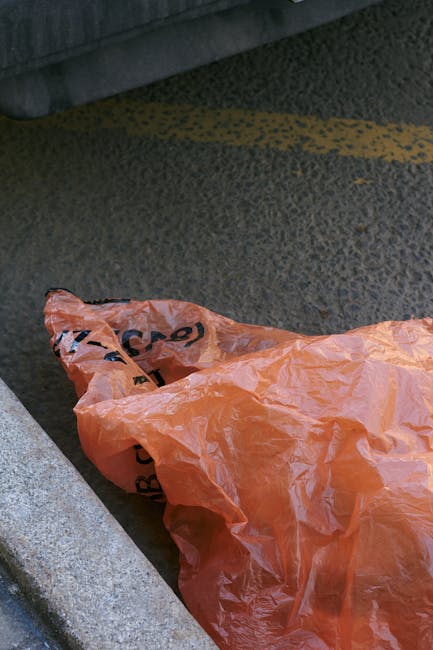
Avoiding Fines for Fly-Tipping in Carshalton
Fly-tipping is one of those problems that can turn up quietly and then become a proper headache. A mattress left by a hedge. Black bags dumped by a gate. A few broken tiles, a rusted fridge, or builder's waste abandoned after dark. In Carshalton, as across London, the cost of ignoring it can be more than just an untidy street or an awkward conversation with a neighbour. If you are a homeowner, landlord, tenant, tradesperson, or business owner, avoiding fines for fly-tipping in Carshalton starts with knowing what counts as waste, how to dispose of it correctly, and how to prove you acted responsibly.
This guide breaks the issue down in plain English. You'll learn what fly-tipping means in practice, why fines can happen, what steps reduce risk, and how to handle waste the right way without making life more complicated than it needs to be. Truth be told, most people do want to do the right thing - they just need a clear process. That is what this article is for.
Along the way, you'll also find useful related guidance on local waste handling, household disposal options, and practical service pages that may help when you need a next step, such as house clearance, rubbish removal, garden clearance, and waste removal. If you're dealing with something more specific, there's also support for man and van collections and skip hire options where a bigger load needs a better plan.
Table of Contents
- Why Avoiding Fines for Fly-Tipping in Carshalton Matters
- How Avoiding Fines for Fly-Tipping in Carshalton Works
- Key Benefits and Practical Advantages
- Who This Is For and When It Makes Sense
- Step-by-Step Guidance
- Expert Tips for Better Results
- Common Mistakes to Avoid
- Tools, Resources and Recommendations
- Law, Compliance, Standards, or Best Practice
- Options, Methods, or Comparison Table
- Case Study or Real-World Example
- Practical Checklist
- Conclusion
- Frequently Asked Questions
Why Avoiding Fines for Fly-Tipping in Carshalton Matters
Fly-tipping is not just messy. It can create legal, financial, and reputational problems very quickly. In a residential area like Carshalton, rubbish left in the wrong place can block pathways, attract vermin, damage kerb appeal, and lead to complaints from neighbours or managing agents. For a landlord or tradesperson, that can be especially awkward. A single bad disposal decision can raise questions about whether waste was handled properly at all.
Fines are only part of the story. If your waste is traced back to you, you may be asked to explain how it was passed on, who collected it, and whether the carrier was legitimate. That means the real task is not only avoiding a fine today, but being able to show you took reasonable steps all the way through. Keep the receipt, keep the details, and don't shrug it off. Small habits matter.
There's also a wider community impact. When waste appears on a street, near a park, or beside a quiet lane, it tends to encourage more of the same. One dumped sofa can turn into a little pile of "someone else will sort it." Not great, and not fair on the people who live and work there.
Quick takeaway: If you can prove where your waste came from, who took it, and how it was disposed of, you are already much better placed to avoid penalties and awkward follow-up questions.
How Avoiding Fines for Fly-Tipping in Carshalton Works
The basic logic is simple: if waste is dumped unlawfully, the person responsible can face enforcement action. In practice, responsibility can be assessed in more than one way. It may involve the person who dumped the material, the person who arranged the disposal, or sometimes the person who failed to check that a carrier was properly authorised. That is why "I paid someone to take it away" is not always enough on its own.
For everyday residents, the biggest risk often comes from using informal or unverified waste collectors. A low quote can look tempting, especially if you've got a pile of old furniture in the front garden and want it gone before the weekend. But if that waste ends up on a verge, a private road, or tucked behind some garages, the paperwork trail matters. A lot. For clarity, the good route is usually the one that gives you a record, a receipt, and confidence that your waste is going to a lawful destination.
Carshalton sits within a part of South London where waste management is a practical daily concern. Homes are close together, gardens are often modest in size, and access can be tight. That makes disposal planning more important than in wide-open suburban settings. A few extra minutes planning collection, sorting, and documentation can save a lot of bother later.
In many cases, the safest approach is a combination of clear sorting, using a reputable collection method, and avoiding "no questions asked" arrangements. If you need an additional hand with bulky or mixed items, a service like house clearance or rubbish removal can be more suitable than trying to improvise with a van and a guess.
Key Benefits and Practical Advantages
Doing waste disposal properly is about more than compliance. There are several practical upsides that show up quickly, especially if you deal with waste more than once in a blue moon.
- Lower risk of penalties: You reduce the chance of being linked to unlawful dumping.
- Better evidence trail: Receipts, collection notes, and photos can support your position if questions come up.
- Cleaner property presentation: This matters for landlords, sellers, trades, and anyone hosting visitors.
- Less stress: A proper plan usually feels calmer than last-minute disposal.
- Fewer neighbour complaints: Especially where rubbish can spill into shared access areas.
- More efficient clear-outs: Good sorting saves time, effort, and repeated handling.
There is a subtle but real benefit too: once you know the right routine, future clearances become much easier. You stop guessing. You know what to keep, what to separate, and when to choose a collection service instead of a DIY trip. That kind of confidence is worth having.
For bigger or more mixed loads, a tailored service can help you avoid overfilling a vehicle or leaving waste in the wrong place overnight. If the job includes outdoor waste as well as indoor clutter, pairing garden clearance with waste removal can keep the whole process tidy and sensible.
Who This Is For and When It Makes Sense
This topic matters to more people than you might think. It is not only for businesses or people doing renovations. In fact, a lot of risk comes from ordinary household situations where disposal choices are made quickly and without much paperwork.
- Homeowners clearing sheds, lofts, garages, or front gardens.
- Tenants moving out and trying to deal with unwanted furniture or bagged rubbish.
- Landlords handling end-of-tenancy waste or abandoned items.
- Tradespeople who need proper disposal for offcuts, packaging, and demolition waste.
- Small businesses dealing with office clearances or storage overflow.
- Developers and contractors who need a reliable route for bulky or mixed waste.
It also matters if you are deciding whether to hire a skip, use a van collection, or sort and transport waste yourself. Sometimes the cheapest option on paper is not the safest in reality. A quick example: if you have a stack of broken wardrobes, old carpets, and a few bags of renovation debris, it may look easy enough to throw everything into a hired vehicle. But if mixed waste is not separated properly, or the destination is not clear, you can create more risk than you save.
And let's face it, most people just want the mess gone. Fair enough. The trick is getting rid of it without creating another problem.
Step-by-Step Guidance
If you want a straightforward route to avoiding fines, keep it practical. Think in stages. A little planning at the start saves a surprising amount of hassle later, especially if you're dealing with bulky items or renovation leftovers.
- Identify the waste accurately. Separate household waste, garden waste, bulky items, and construction debris where possible. Different types of waste often need different handling.
- Check what can be reused, donated, or recycled. Not everything needs to be treated as rubbish. A service like house clearance can sometimes help salvage usable items before disposal.
- Choose a lawful disposal route. Use a reputable collection method, licensed transfer point, or arranged pickup that gives you a record.
- Ask for proof. Keep receipts, invoices, job notes, or any written confirmation of collection. If possible, take a quick photo of the load before it leaves. Nothing fancy. Just enough to show what happened.
- Check access and timing. If items are left outside overnight, make sure they are not blocking public space or shared access. That is the sort of thing that can lead to complaints fast.
- Don't hand waste to an unverified collector. If someone offers to take it away for cash and provides no traceable details, pause. Ask how they dispose of waste and whether they can provide paperwork.
- Follow through after collection. If the area is left clear and tidy, you have a much cleaner record and far less chance of misunderstanding.
There is one small but useful habit here: keep all waste-related documents in one place for a while. A folder, a phone note, a photo album - whatever works. If a question comes up later, you won't be scrambling around a kitchen drawer at 9pm muttering about a missing receipt. We've all been there, or something close to it.
Expert Tips for Better Results
The best approach is usually not the most dramatic one. It is the most organised one. A few small decisions can cut risk quite a lot.
- Separate waste before collection. Mixed piles are harder to manage and easier to misplace.
- Use clear labelling for large items. If there are multiple loads, mark what stays and what goes.
- Keep a paper trail. Photos before and after collection can help if anyone asks later.
- Don't leave waste on a verge or pavement. Even temporarily, this can create issues if it obstructs people or attracts attention.
- Choose timing carefully. Early clear-outs are often less stressful than trying to shift waste late in the day.
- Use the right service for the job. For instance, a bulky domestic clear-out may suit man and van support, while a larger project may be better handled with skip hire.
One thing people sometimes overlook is access. In a tight Carshalton street, a collection vehicle may need a bit of room to work safely. If access is awkward, mention it upfront. It sounds obvious, but a lot of issues come from small assumptions. A driveway too narrow, a gate that sticks, a neighbour's parked car - the usual bits of life getting in the way.
Another tip: if you're disposing of items from a rental property, ask who is responsible for what. It sounds dry, yes, but when a sofa, a broken desk, and half a shed's worth of odds and ends are involved, clarity is your friend.
Common Mistakes to Avoid
Most problems around fly-tipping fines are not caused by grand mistakes. They happen because of a few easy-to-make, very ordinary errors. The good news is that once you know them, they are straightforward to avoid.
- Using unverified collectors: If they cannot explain where the waste goes, that is a warning sign.
- Assuming a cheap quote is harmless: A low price can hide poor disposal practices.
- Leaving waste in a public place: Even for a short time, this can create a problem.
- Not keeping evidence: No receipt, no job note, no photos - that makes it harder to defend your position.
- Mixing hazardous items with general waste: This needs careful handling and should not be guessed at.
- Handing over waste without confirming the arrangement: A quick chat is not the same as a proper agreement.
A classic example is the "just take it away" approach. Sounds convenient. It can also be a mess waiting to happen. If something later turns up dumped in a layby, you do not want to be the person with no paperwork and a vague memory of a cash handover.
Another common mistake is forgetting that household waste can include items that need special care, such as paint tins, electricals, or sharp fragments. It's easy to miss one or two when you are rushing, especially late on a Sunday evening with the bins already out and rain tapping on the window.
Tools, Resources and Recommendations
You do not need a complicated system to stay on top of waste disposal. A few basic tools and habits go a long way.
- Phone camera: Useful for recording the condition and contents of a load before collection.
- Simple folder or notes app: Keep invoices, messages, and collection details together.
- Labels or marker tape: Helpful if you are sorting items in stages.
- Gloves and sturdy bags: Practical for safe handling during a clear-out.
- Weight or volume estimate: Not exact science, just enough to choose the right disposal method.
On the service side, it helps to match the disposal method to the job. For a full property clear-out, house clearance may be the cleanest route. For garden cuttings, broken planters, and outdoor clutter, garden clearance is often more appropriate. If the load is more general and mixed, rubbish removal or waste removal may be a better fit. And for larger access-friendly jobs, skip hire can make logistics easier.
If you are short on time and just want the job done properly, a man and van solution can be a practical middle ground. Not every waste problem needs a huge operation. Sometimes it just needs the right pair of hands and a sensible plan.
Law, Compliance, Standards, or Best Practice
When discussing fly-tipping, the safest way to think about compliance is this: do not assume that passing waste to someone else removes your responsibility. In the UK, waste should be managed in a way that follows applicable legal duties, and people who produce or pass on waste are generally expected to take reasonable care. Exact obligations can vary depending on the type of waste and the circumstances, so it is wise to proceed carefully rather than casually.
Best practice usually includes:
- checking that the person or business handling waste is legitimate and traceable;
- keeping documentation for collection, transport, or disposal;
- separating waste types where practical;
- avoiding waste being left in a way that obstructs public areas;
- ensuring any special items are handled correctly.
This is especially relevant for landlords, trades, and businesses because a bigger flow of waste means more opportunities for mistakes. If you regularly generate waste, build a repeatable process. The same goes for anyone managing clearances at multiple properties. Compliance is much easier when it is routine, not improvised.
If you are unsure about a particular load, especially if it contains mixed materials, electrical items, or anything that could be classed as hazardous, get it checked before it leaves the property. It is one of those "better safe than sorry" situations that really is better safe than sorry.
Options, Methods, or Comparison Table
Different disposal methods suit different situations. There is no single perfect answer. The right choice depends on how much waste you have, whether it is bulky or mixed, and how much involvement you want in the process.
| Method | Best for | Pros | Watch-outs |
|---|---|---|---|
| Self-transport | Small, manageable loads | Flexible, can be quick if well organised | Needs careful checking, lifting, and proof of disposal |
| Rubbish removal service | General household or mixed waste | Convenient, less lifting for you | Choose a reputable service and keep records |
| House clearance | Full rooms, estates, moves, or large clear-outs | Efficient for bigger jobs, less stress | Needs clear instructions on what stays and goes |
| Garden clearance | Green waste, branches, outdoor clutter | Good fit for seasonal jobs and overgrown spaces | Can still include items that need separating |
| Skip hire | Projects generating waste over time | Handy for renovations and phased work | Placement, filling, and permit considerations may apply |
For many Carshalton households, the best option is the one that combines convenience with a clear paper trail. If you know you will be clearing a loft, garage, and garden in stages, a planned solution is usually better than several spontaneous trips in the car. That just becomes tiring. Fast.
Case Study or Real-World Example
Imagine a terraced home near a busy local road in Carshalton. The owners have just finished a renovation and now have old cupboards, plasterboard offcuts, packaging, and some garden waste from the side return. They want everything gone before visitors arrive the next weekend.
The first instinct is to pile it outside and find "someone cheap" to remove it. But that creates two risks straight away: the waste is visible in a public-facing area, and there is no clear record of who took it. Instead, they sort the load into separate piles, keep the electrical items apart, take a few photos, and arrange a proper collection. They also make sure the paperwork is saved on a phone and in email. Not glamorous. Very effective.
A few days later, the space is clear, the path is usable again, and there is no lingering mess at the front of the property. More importantly, if anyone asks what happened to the waste, there is a clear answer. That is the real win. No drama, no mystery, no "I think it was taken by a mate of a mate."
Small jobs can create big problems when rushed. But with a bit of discipline, they stay small jobs.
Practical Checklist
Use this checklist before any clear-out or collection. It is simple, but that is exactly why it works.
- Have I identified all the waste types clearly?
- Can anything be reused, donated, or recycled first?
- Is the disposal method suitable for the load size and material?
- Have I checked that the collector or service is traceable and legitimate?
- Do I have a receipt, invoice, or written confirmation?
- Have I taken photos of the waste before collection?
- Will any part of the waste be left in a public or shared area?
- Are any special items separated out for careful handling?
- Do I know where I'm keeping the paperwork after the job is done?
- Have I arranged enough time so I do not rush the process?
If you can tick most of those boxes, you are in good shape. If not, pause and tidy up the plan before the waste starts moving. It saves a lot of backtracking later.
Conclusion
Avoiding fines for fly-tipping in Carshalton comes down to the basics done properly: plan the disposal, verify who is taking the waste, keep evidence, and never leave rubbish in a way that creates risk for others. That may sound plain, but plain is good here. It is the ordinary, careful choices that keep people out of trouble.
Whether you are clearing a garden, emptying a flat, dealing with renovation debris, or just trying to get a bulky item off the driveway, the safest path is the one that leaves a clear record and no loose ends. If you need help choosing the right service, start with the size and type of waste, then match the method to the job rather than forcing the job to fit the method. Simple, really.
Get a free quote today and see how much you can save.
And if all you do after reading this is pause for a minute before handing waste to someone, that's already progress. A small bit of care now can spare you a very annoying problem later.
Frequently Asked Questions
What counts as fly-tipping in Carshalton?
Fly-tipping is the illegal dumping of waste on land that does not have permission to receive it. That can include bags, furniture, garden waste, construction debris, or even a single item left in the wrong place if it is abandoned unlawfully.
Can I be fined if someone else dumps waste I gave them?
Potentially, yes, if you did not take reasonable care when handing it over. That is why keeping records and using traceable, legitimate waste handlers matters so much. A verbal promise alone is not much protection.
How do I prove I disposed of waste properly?
Keep receipts, invoices, job notes, and photos of the waste before it leaves. If a collection service is used, save the confirmation details too. A simple paper trail can be incredibly useful later.
Is it safer to use skip hire or a removal service?
Both can be suitable, depending on the job. Skip hire can work well for ongoing projects, while a removal service may be easier for one-off bulky clear-outs. The safer option is usually the one that fits the waste type and gives you clear documentation.
What should I do with mixed household and garden waste?
Separate what you can before disposal. Green waste, broken furniture, packaging, and general rubbish may each need different handling. A mixed load is not impossible to deal with, but sorting it first usually makes everything easier and cleaner.
Do landlords need special care with tenant waste?
Yes, because end-of-tenancy waste can become complicated very quickly. Landlords should be clear about what is included in the clearance, what has been left behind, and who is arranging disposal. Written records are especially helpful here.
Can leaving waste on the pavement lead to problems?
It can. Even if the waste is only there temporarily, it may obstruct access, attract complaints, or be treated as improperly placed. It is better to keep waste on private property until it is ready to be collected.
What kinds of waste need extra caution?
Electrical items, paint, chemicals, sharp materials, and some renovation debris need more careful handling than ordinary household rubbish. If you are not sure, check before disposal rather than guessing. Guessing is rarely the fun option.
How quickly should I arrange collection after clearing a property?
As quickly as possible once the waste is organised. The longer it sits around, the more chance there is of weather damage, complaints, or accidental dumping. A prompt collection usually keeps the whole process tidy.
What is the most common mistake people make?
Using an unverified collector because the price is low or the job feels urgent. That shortcut can lead to major trouble if the waste is dumped illegally. A slightly slower, better-documented option is usually the wiser one.
Should I take photos before my waste is collected?
Yes, that is a sensible habit. A few simple photos can show what was being removed and help confirm that you acted responsibly. Nothing fancy needed - just enough to create a record.
Who should I contact for bigger clear-outs?
For larger or more complicated loads, look at services such as house clearance, rubbish removal, waste removal, garden clearance, man and van, or skip hire, depending on the waste type and access. Choosing the right route makes compliance much easier.